Current Research
Fungal Fermentation of Pulse Flours
Investigating the use of Aspergillus oryzae, Rhizopus oligosporus, and Neurospora crassa for transforming pea and chickpea substrates through fermentation processes.
Extrusion Processing & Texturization
Developing advanced extrusion techniques for plant-based protein structuring and creating novel textures in alternative meat and dairy products.
Food Material Science
Understanding the structure-function relationships in food systems, from molecular interactions to macroscale properties, with applications in texture design and stability.
Novel Protein Sources
Exploring emerging protein sources including microbial proteins, mycoproteins, and precision fermentation-derived ingredients for next-generation food applications.
Oleosome Extraction & Characterization
Developing advanced methods for extracting oleosomes from canola, hemp, and coconut sources, with focus on particle size, zeta potential, and structural characterization.
Precision Fermentation Technologies
Exploring cutting-edge precision fermentation applications and protein development for next-generation food systems.
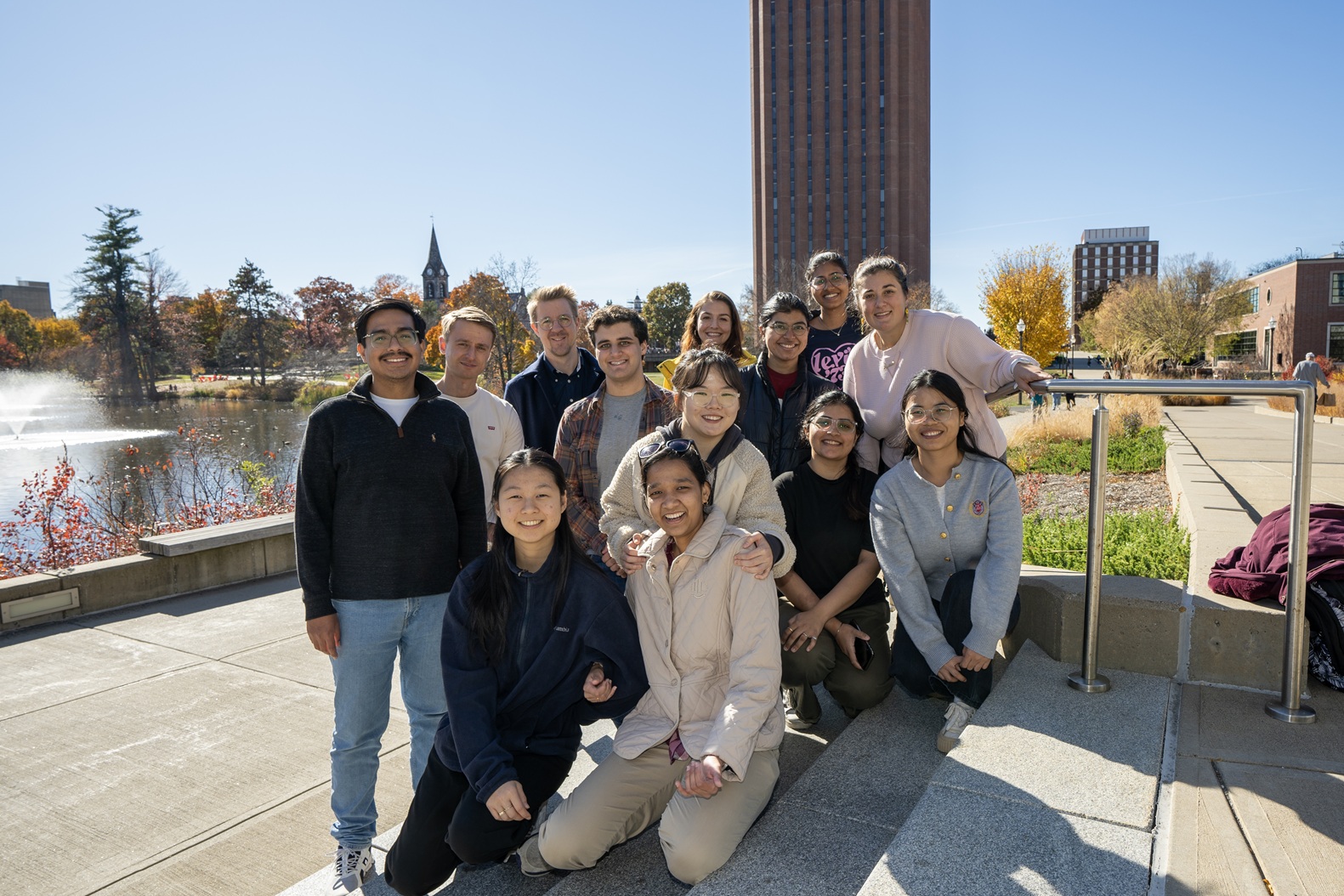
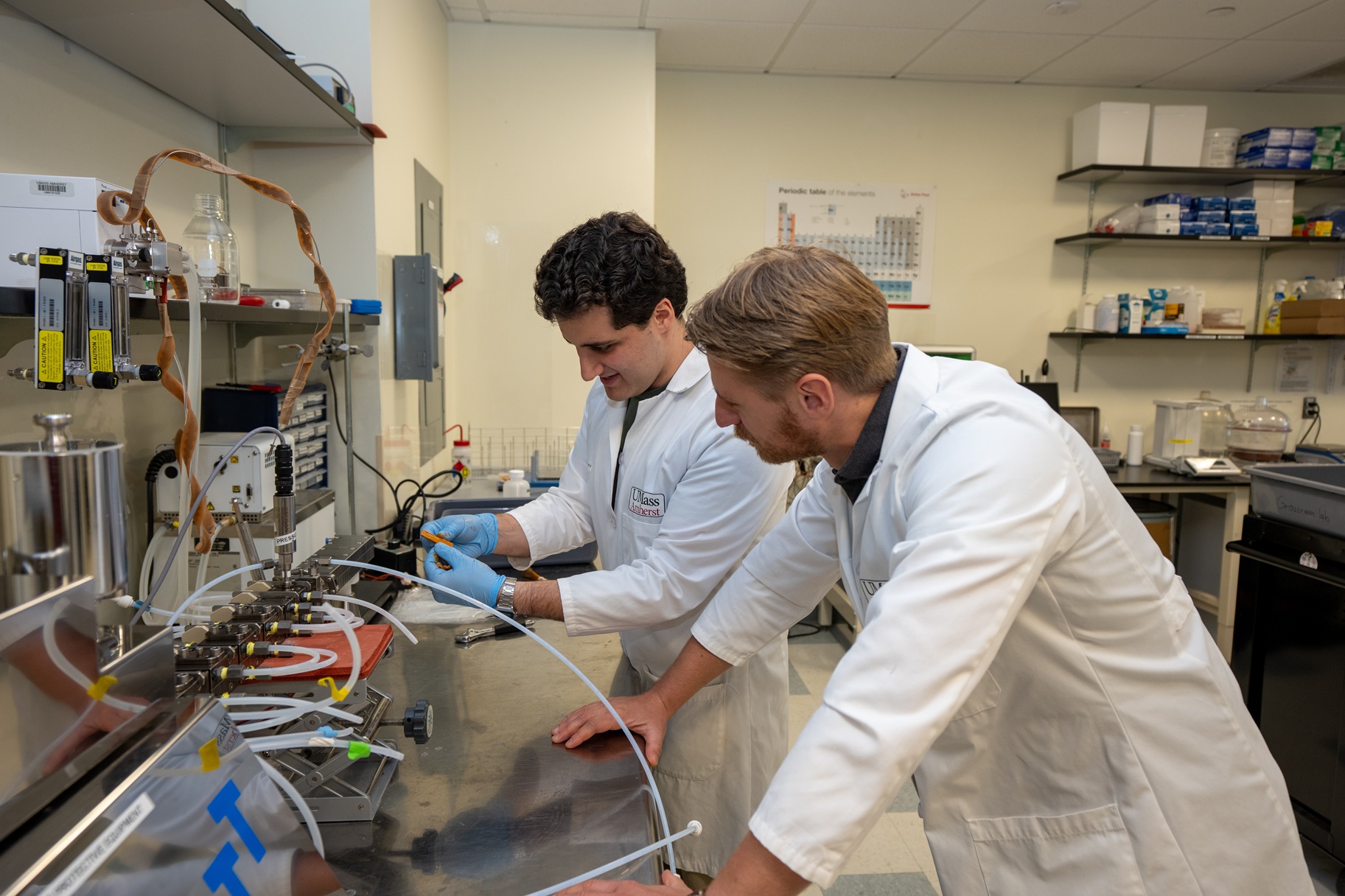
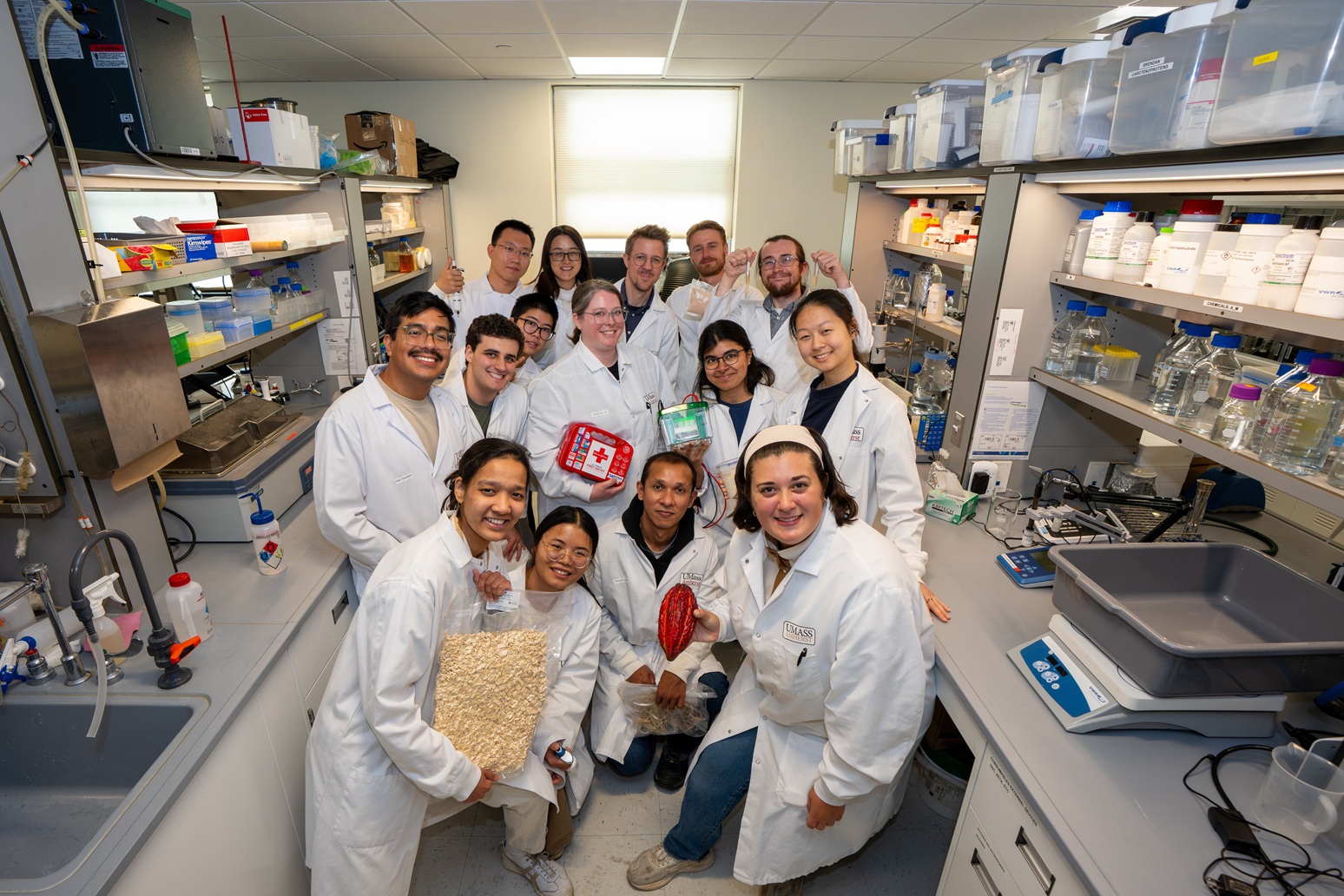
Our Lab
Recent Publications
Zein Composite Enables High-Moisture Extrusion of Anisotropic Structures Across a Broad pH Range
Rosenfeld, S.E., Sanders, J., Liu, H., Moraca, F., & Grossmann, L. (2026). A zein-based composite system that produces anisotropic high-moisture extrudates across a wide pH range, expanding the process window for plant-protein texturization.
A Novel Coextrusion Module Enables Spatially Controlled Multiphase Injection in High-Moisture Extrusion to Produce Marbled Composite Protein-Lipid Structures
Erdman, H., Woern, C., & Grossmann, L. (2026). A coextrusion module that spatially injects lipid phases during high-moisture extrusion, producing marbled protein-lipid structures that mimic the marbling of animal meat.
Targeted Downstream Processing Yields Protein Concentrates from Microbial Hydrogen Fermentation
Woern, C., Balasubramanian, P., & Grossmann, L. (2026). Downstream processing strategy for recovering protein concentrates from hydrogen-fermented microbial biomass, supporting sustainable protein production without agricultural land use.
Pea Flours Display Wide-Ranging Intrinsic Physicochemical and Functional Traits Affecting Their Role as Food Ingredients
Matzen, E.D., Mikkelsen, M.S., McClements, J.D., & Grossmann, L. (2026). Rapid screening of 650 pea accessions spanning wild species to modern cultivars, revealing wide functional trait ranges relevant to selecting peas as food ingredients or protein/starch sources.
Insoluble and Soluble Pea Proteins at Air-Water and Oil-Water Systems: Adsorption and Interfacial Network Formation Behavior
Lim, Y., Moran, G.C., & Grossmann, L. (2026). Comparison of soluble and insoluble pea protein fractions at fluid interfaces, showing how their adsorption and network formation shape foaming and emulsifying performance.
Ultrafiltration-Driven Refinement of Soluble Pea Protein Fractions Reduces Antinutritional Load and Increases Protein Content
Moran, G.C., Valverde, C.D., MacRae, S., & Grossmann, L. (2026). Ultrafiltration approach that refines soluble pea protein fractions, lowering antinutritional compounds while increasing protein content for cleaner functional ingredients.
Principal Investigator

Lutz Grossmann, PhD
Associate Professor, Department of Food Science
I joined UMass Amherst in 2021 after completing my PhD in Food Science at the University of Hohenheim in Germany. My research focuses on pioneering holistic approaches along the protein value chain, combining processing technology with engineering, and fermentation concepts.
Join Our Research
We're always working on exciting new projects beyond what's listed here
MS Students
Conduct independent research in fermentation, extrusion, or food material science with opportunities to publish and prepare for a career in academia or industry. The Grossmann lab typically accepts students for the fall and spring semesters, though space is limited.
PhD Opportunities
Lead innovative projects funded by USDA, the Good Food Institute, and industry partners while developing deep expertise in food technologies and building a strong track record for your career. Applicants with fellowships are always welcomed.
Visiting Scholars
Join the lab for a research visit to collaborate, exchange expertise, and access specialized facilities. Start dates are flexible and can be arranged to fit your schedule.
Build your career through hands-on research and applied projects. Gain practical experience with industry-standard equipment, analytical techniques, and collaborative projects that prepare you for careers in academia, industry, or entrepreneurship.
Industry Collaboration
The Grossmann Lab partners with companies of all sizes to solve practical challenges in protein functionality, fermentation, and food processing. Whether you need targeted analysis, expert guidance, or access to specialized processing equipment, we offer flexible ways to work together.
Technical Services
Access analytical and processing capabilities for protein characterization, functionality testing, and product prototyping on a fee-for-service basis.
Consulting
Draw on deep expertise in protein processing, fermentation, and food material science to guide product development and solve formulation challenges.
Joint Projects
Collaborate on sponsored research, grant proposals, and co-developed projects that advance both scientific and commercial goals.
Equipment Access
Use our specialized pilot- and lab-scale equipment for trials, scale-up studies, and proof-of-concept work with expert support.
Available Equipment
- Modular compact stress-controlled rheometer (Anton Paar, Austria) — multiple geometries and heating unit for measuring textural attributes
- Dynamic mechanical analyzer (Anton Paar, Austria) — 3-point bend, tensile, compression, and torsion modules
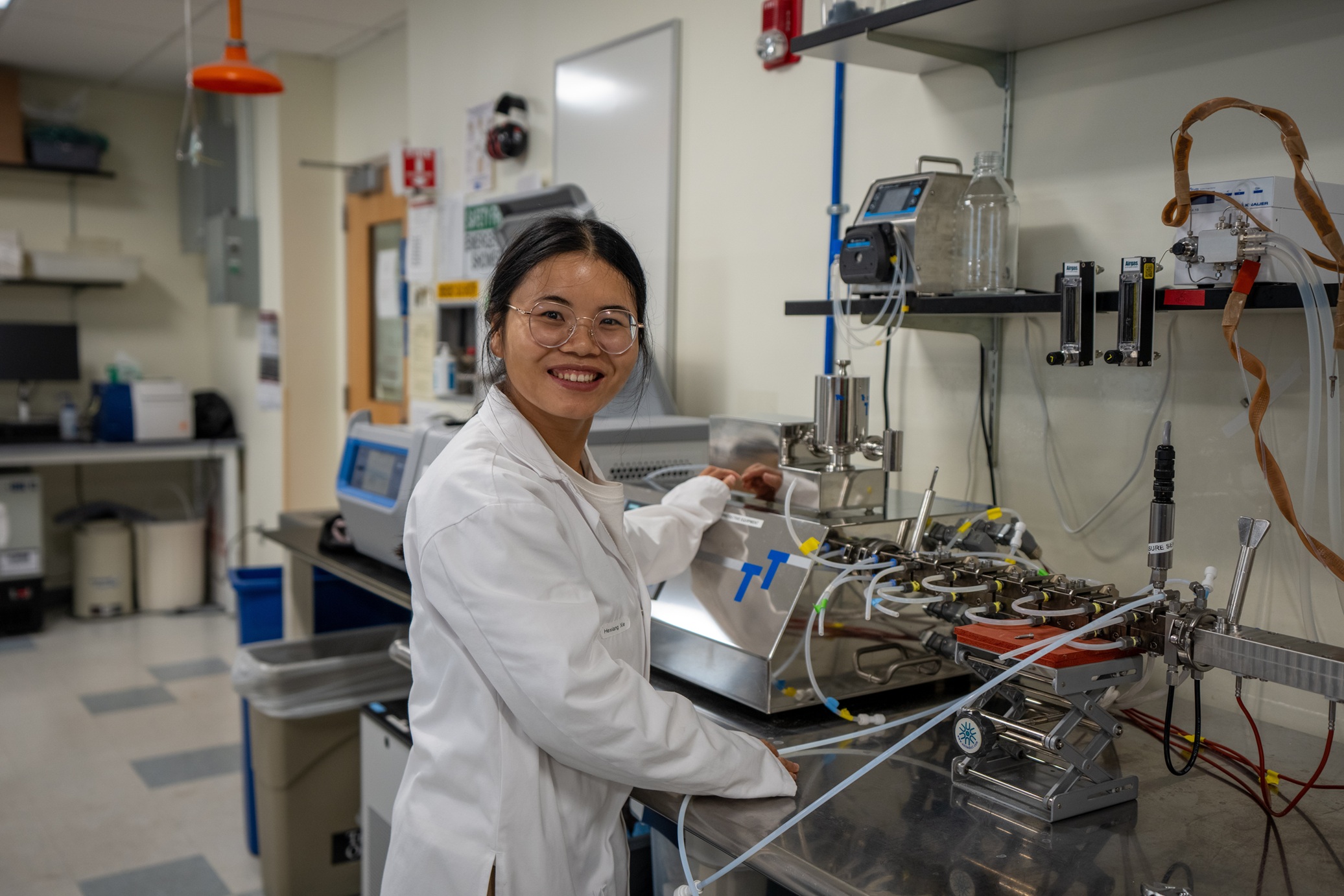
- Twin-screw co-rotating extruder with cooling die (Three-Tec GmbH, Switzerland) — lab-scale extruder for manufacturing extruded meat analogs
- Gel electrophoresis equipment (Bio-Rad Laboratories & Thermo Fisher Scientific, USA)
- Membrane filtration unit MaxiMem (PS Prozesstechnik GmbH, Switzerland) — microfiltration to reverse osmosis for protein fractionation and desalting
- Dumas combustion analyzer (Rapid N exceed, Elementar, Germany) — standardized reference method for protein content
- UV/Vis spectrophotometer (Lambda 265, Perkin Elmer, USA)
- NIR DS3 (FOSS, Denmark) — proximate composition analysis
- Monowave 450 (Anton Paar, Austria) — microwave synthesis reactor (up to 300 °C) with autosampler
- Light microscope
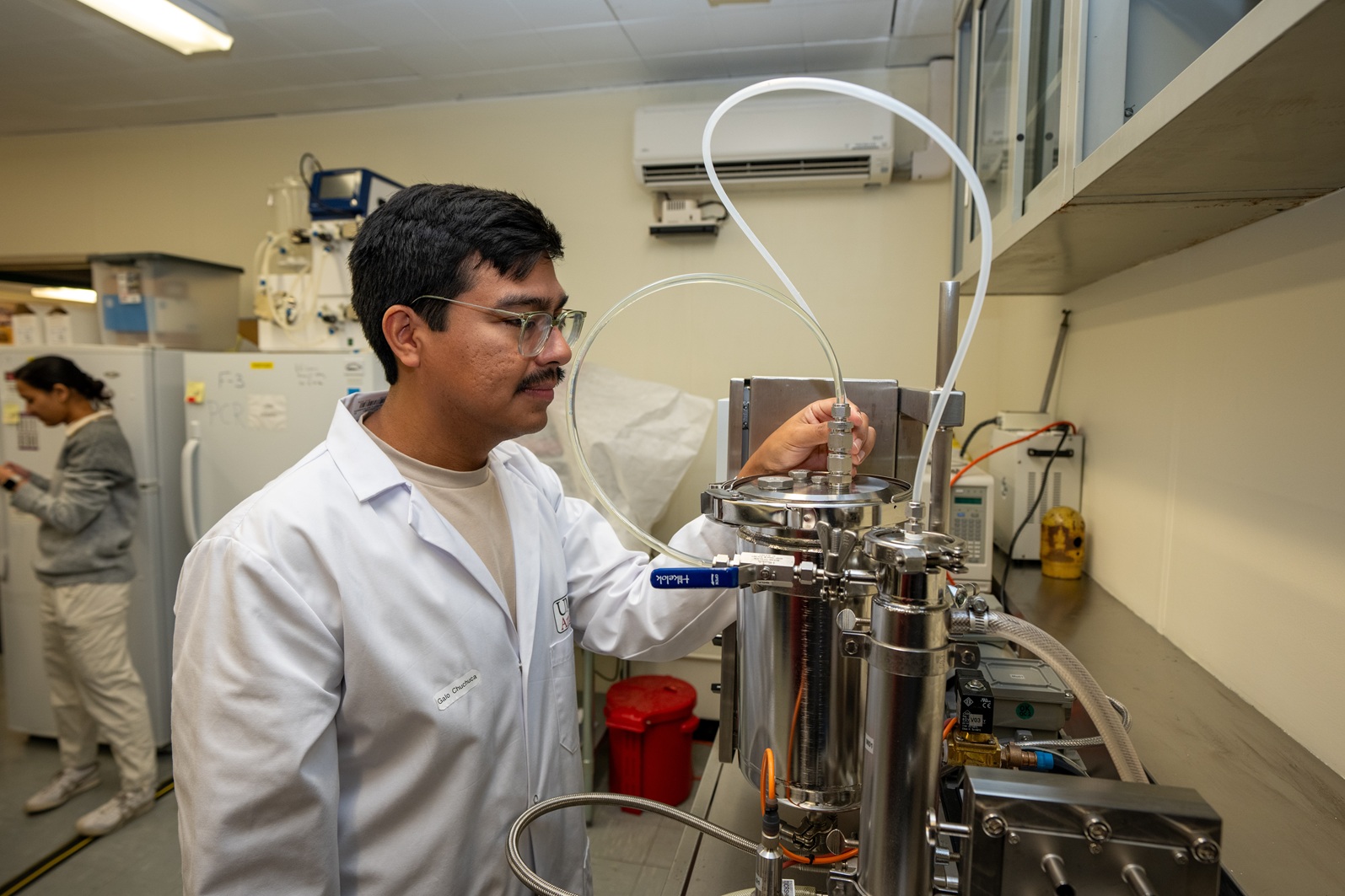
- Two bioreactor setups (1–7.5 L; Celligen 115, Eppendorf) plus a self-designed AceGlass setup for gas fermentation
- Static light scattering particle size analyzer (Horiba LA-960 V2, Japan)
- L*a*b* color meter (Nix Sensor, Canada)
- General lab & small-scale processing equipment — pH meters, heaters, balances, grinders, kitchen machines, and more
In addition, the lab has access to a wide range of shared instrumentation across UMass Amherst's core facilities.
How to Apply
Prospective students and visiting scholars should email: grossmannlab@umass.edu
Please include: Your CV or resume and a brief statement explaining why you want to join the lab and your research interests
Contact & Opportunities
Location
Department of Food Science
University of Massachusetts Amherst
Amherst, MA 01003